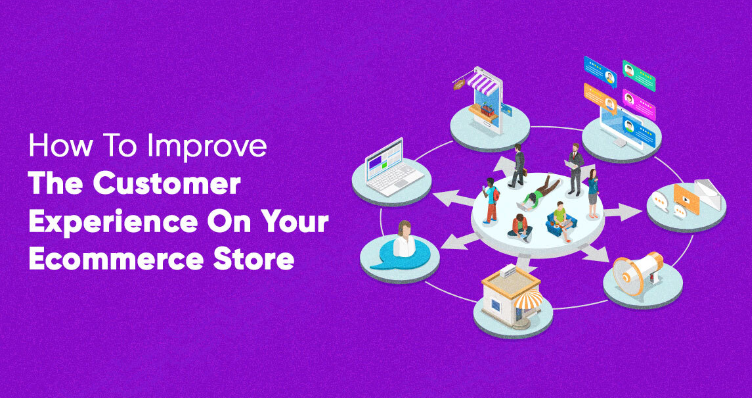
Whether you are a business owner or a customer, it is crucial to understand the various ways you can enhance your ecommerce experience. This article will provide you with valuable insights and strategies to improve your online shopping journey. From optimizing website performance to enhancing customer support, we will explore fifteen effective methods to take your ecommerce experience to the next level.
Table of Contents
Optimize Website Performance
Enhance Website Speed
A slow-loading website can frustrate users and lead to a high bounce rate. Optimize your website’s performance by minimizing file sizes, leveraging caching techniques, and employing content delivery networks (CDNs). Additionally, optimize your code and eliminate any unnecessary scripts or plugins that may impact loading speed. Regularly monitor and test your Optimizing Website speed using tools like Google PageSpeed Insights or GTMetrix.
Improve Mobile Responsiveness
With the increasing use of mobile devices for online shopping, it’s essential to ensure that seo for ecommerce website is fully responsive. Implement a mobile-first design approach, where your website adapts seamlessly to different screen sizes and resolutions. Test your website’s responsiveness across various devices and optimize the user experience for mobile users.
Streamline Checkout Process
A complicated and time-consuming checkout process can lead to cart abandonment. Simplify and streamline the checkout process by minimizing the number of steps required. Implement guest checkout options, provide clear progress indicators, and offer multiple secure payment methods. Additionally, optimize the form-filling process by auto-filling information whenever possible.
Implement User-Friendly Navigation
Organize Products into Categories
Create clear and logical categories for your products, making it easy for customers to navigate through your online store. Use descriptive and intuitive category names that resonate with your target audience. Avoid overwhelming users with too many subcategories and ensure that each product is placed in the most relevant category.
Implement Advanced Search Functionality
Include a robust search feature that allows users to find specific products quickly. Implement autocomplete suggestions, filters, and sorting options to refine search results. Make sure your search functionality is intuitive, accurate, and returns relevant results based on user queries.
Utilize Clear and Intuitive Menus
Design user-friendly menus that are easy to navigate and understand. Use clear labels and organize menu items logically. Consider implementing a mega menu or drop-down menu for easier access to subcategories. Ensure that your menus are accessible and visible on all pages of your website.

Leverage High-Quality Product Images
Use High-Resolution Images
High-quality product images can significantly impact the user’s perception of your products and brand. Invest in professional product photography or obtain high-resolution images from suppliers. Ensure that the images are clear, well-lit, and showcase the product from multiple angles.
Enable Zoom and Multiple Image Views
Allow customers to zoom in on product images to examine details closely. Implement a zoom feature or enable users to view the product in a larger pop-up window. Additionally, provide multiple image views or alternate product images to give customers a comprehensive visual representation.
Include Product Videos
Incorporate product videos to enhance the customer’s understanding and experience. Videos can showcase the product in action, demonstrate its features, and provide additional context. Embed videos directly on product pages or link to them from reputable video hosting platforms like YouTube or Vimeo.
Offer Personalized Product Recommendations
Utilize Customer Data for Recommendations
Harness the power of customer data to provide personalized product recommendations. Analyze customer browsing behavior, purchase history, and preferences to offer relevant and tailored suggestions. Implement recommendation algorithms or leverage ecommerce platforms that provide built-in recommendation features.
Implement Related Product Sections
Display related products on product pages to encourage cross-selling and upselling. Show complementary items or products frequently bought together to provide customers with additional options. Feature related products prominently, either as a section on the product Optimizing Website or through a “Customers who bought this also bought” widget.
Integrate Multiple Payment Options
Offer Various Payment Methods
Cater to the diverse preferences of your customers by providing a range of payment options. Accept major credit cards, debit cards, digital wallets, and alternative payment methods such as PayPal or Apple Pay. Ensure that the payment process is secure, encrypted, and PCI compliant.
Ensure Secure Payment Processing
Implement robust security measures to protect customer payment information. Utilize SSL certificates to encrypt data transmission and secure checkout pages. Display trust badges or security seals to reassure customers that their transactions are safe and protected.
Simplify Payment Confirmation Process
After a successful transaction, provide customers with clear and immediate payment confirmation. Display a summary of the order, payment details, and estimated delivery date. Send a confirmation email with the same information, along with order tracking details if applicable. This ensures a seamless and transparent post-purchase experience.
Streamline the Checkout Process
Enable Guest Checkout
Offer the option for customers to check out as guests without requiring them to create an account. While account creation can be beneficial for customer retention, some users prefer a quick and hassle-free checkout process. Allow guest checkout while still providing the option for customers to create an account later if they wish to.
Implement Auto-Fill for Forms
Minimize the effort required from customers by implementing auto-fill functionality for checkout forms. Utilize browser autofill features or integrate with payment gateways that can retrieve customer information automatically. This saves time for returning customers and reduces the likelihood of form abandonment.
Provide Clear Progress Indicators
During the checkout process, clearly indicate the steps involved and the customer’s progress. Use visual cues, progress bars, or step indicators to guide customers through each stage of the checkout process. This helps customers understand where they are in the process and reduces confusion or uncertainty.
Implement Social Proof
Showcase Testimonials and Success Stories
Display customer testimonials and success stories on your ecommerce Optimizing Website. Highlight positive experiences and feedback from satisfied customers. Include customer names, locations, and even photos if possible. Testimonials serve as social proof, building trust and credibility for your brand.
Display Trust Badges and Certifications
Showcase trust badges and certifications that validate the security and reliability of your ecommerce website. Include badges such as SSL certificates, payment gateway logos, or industry certifications. These visual indicators assure customers that their transactions and personal information are secure.
Highlight Influencer Recommendations
Collaborate with influencers or industry SEO experts to promote your products and endorse your brand. Feature influencer recommendations or reviews on your Optimizing Website and social media platforms. This form of social proof can significantly impact the purchase decisions of your target audience.
Enhance Shipping and Returns
Offer Multiple Shipping Options
Provide customers with a range of shipping options to cater to their preferences and requirements. Offer standard shipping, express shipping, and possibly free shipping for orders above a certain threshold. Clearly communicate shipping costs, estimated delivery times, and any restrictions or limitations.
Provide Real-Time Shipment Tracking
Integrate shipment tracking functionality into your ecommerce platform. Provide customers with the ability to track their orders in real-time. Send automated email notifications with tracking information and updates. This transparency enhances the customer’s peace of mind and allows them to anticipate the arrival of their package.
Simplify Returns and Refunds Process
Create a straightforward and hassle-free returns and refunds process. Clearly communicate your return policy, including eligibility criteria, timelines, and any associated costs. Provide customers with a simple return process, including pre-paid return labels if possible. Promptly process refunds and keep customers informed throughout the process.